






Glass Cutter
Description: Glass Cutter The Glass Cutter is a precision hand tool designed for scoring and cutting glass materials accurately and efficiently. It is widely used in laboratories, workshops, glass processing industries, construction applications, and DI...
Whatsapp:+86 13463710111 +86 17633270825
Email:membershitzler@gmail.com
Product Description:
Glass Cutter
The Glass Cutter is a precision hand tool designed for scoring and cutting glass materials accurately and efficiently. It is widely used in laboratories, workshops, glass processing industries, construction applications, and DIY projects where clean and controlled glass cutting is required.
Featuring a sharp cutting wheel, durable handle design, and precise scoring performance, a quality glass cutter allows users to create controlled fracture lines on glass surfaces, helping achieve accurate cutting results with reduced material waste.
Structural Design
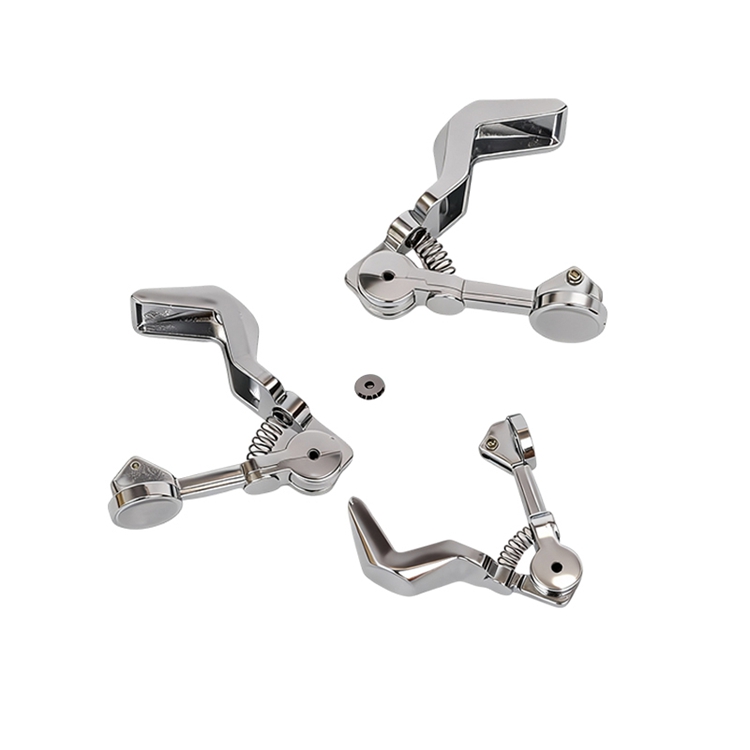
A glass cutter generally consists of a cutting head, cutting wheel, handle, and supporting components.
The cutting wheel is the key working component, designed to create a fine and continuous score line on the glass surface. Common cutting wheel materials include hardened steel, carbide, or tungsten carbide, which provide good wear resistance and long service life.
The ergonomic handle provides comfortable operation and allows users to apply consistent pressure during cutting. Some models include a built-in oil reservoir or lubrication system to improve cutting smoothness and extend wheel performance.
The actual specifications, including wheel material, cutting angle, handle design, lubrication method, and applicable glass thickness range, depend on the specific product model.
Cutting Performance and Design Features
The glass cutter is designed to provide accurate scoring and controlled glass separation.
The precision cutting wheel creates a clean score line that guides the breaking process, helping users achieve smoother edges and improved cutting accuracy.
Proper scoring pressure and cutting speed are important factors affecting cutting quality. Excessive pressure may cause uneven cracks, while insufficient pressure may result in incomplete scoring.
High-quality glass cutters are engineered to maintain stable wheel rotation and consistent contact with the glass surface.
Material and Manufacturing Process
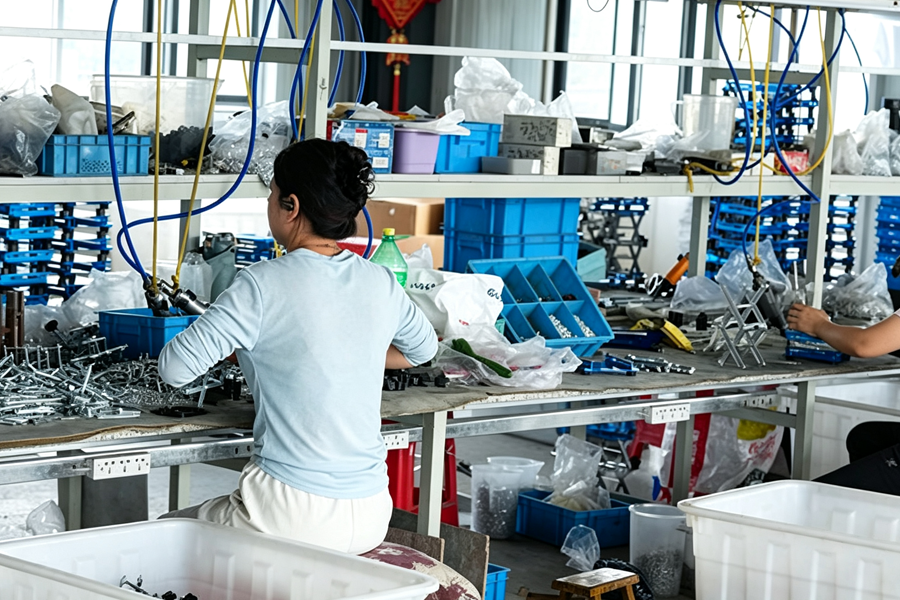
The manufacturing process includes material selection, cutting wheel production, handle manufacturing, assembly, lubrication system installation, and quality inspection.
During production, wheel hardness, edge accuracy, component alignment, and assembly quality are carefully controlled to ensure reliable performance.
Premium cutting wheels undergo precision machining and surface treatment to improve wear resistance and maintain sharpness during repeated use.
Application Areas
Glass cutters are widely used in various industries and applications.
In laboratories, they can be used for preparing glass tubes, slides, and glass components for experimental purposes.
In glass processing, they are used for cutting windows, mirrors, decorative glass, and other flat glass products.
They are also commonly used in construction, maintenance, handicrafts, and professional glass installation work.
Selecting the correct glass cutter according to glass type, thickness, cutting frequency, and working environment helps achieve better cutting performance.
Usage and Safety Considerations
Before using a glass cutter, users should ensure that the glass surface is clean and properly supported.
Wear appropriate protective equipment such as safety glasses and gloves when cutting glass.
Apply consistent scoring pressure and avoid repeated cutting along the same line, as this may reduce cutting quality.
After scoring, the glass should be separated carefully using proper techniques to prevent accidental injury.
Regular cleaning and proper storage help maintain cutting wheel performance and extend service life.
Quality Control Standards
Reliable glass cutters should undergo strict quality inspections.
Material inspection verifies the quality of cutting wheels and handle components.
Dimension inspection ensures accurate assembly and proper operation.
Cutting performance testing evaluates scoring quality and consistency.
Wear resistance testing verifies long-term durability.
Functional testing confirms safe and reliable operation.
Conclusion
The Glass Cutter is an essential precision tool for applications requiring accurate glass scoring, reliable cutting performance, durable construction, and efficient operation.
With a high-quality cutting wheel, ergonomic design, and proper manufacturing control, it provides dependable performance for laboratory, industrial, and professional glass processing applications.
References
ISO 9001 – Quality Management Systems and Manufacturing Quality Control
ASTM C162 – Standard Terminology of Glass and Glass Products
ASTM C1036 – Standard Specification for Flat Glass
ASTM C1048 – Standard Specification for Heat-Strengthened and Fully Tempered Flat Glass
OSHA Safety Guidelines – Hand Tool Safety and Glass Handling Practices
-

Key Components and Manufacturing Process of a Manual Lift Table
2026-08
-
Manual Lift Table Working Principle and Structural Design Analysis
2026-08
-
Key Components and Manufacturing Process of a Motorcycle Lift Table
2026-08
-
Motorcycle Lift Table Working Principle and Structural Design Analysis
2026-08