





Key Components and Manufacturing Process of a Manual Lift Table
Publish Time:2026-08-03 20:53:42 Author:Kunshenglong Views:85
Key Components and Manufacturing Process of a Manual Lift Table
The Manual Lift Table is a mechanical lifting device designed to provide adjustable height positioning for materials, equipment, and workpieces through manual operation. Without requiring electrical power, it uses a mechanical transmission system and reinforced lifting structure to achieve stable and reliable vertical movement.
Manual lift tables are widely used in industrial workshops, warehouses, assembly lines, laboratories, maintenance facilities, and material handling applications. Understanding the key components and manufacturing process helps users evaluate product performance, durability, and application suitability.
Key Components of a Manual Lift Table
A manual lift table consists of several critical components that work together to provide safe and efficient lifting performance.
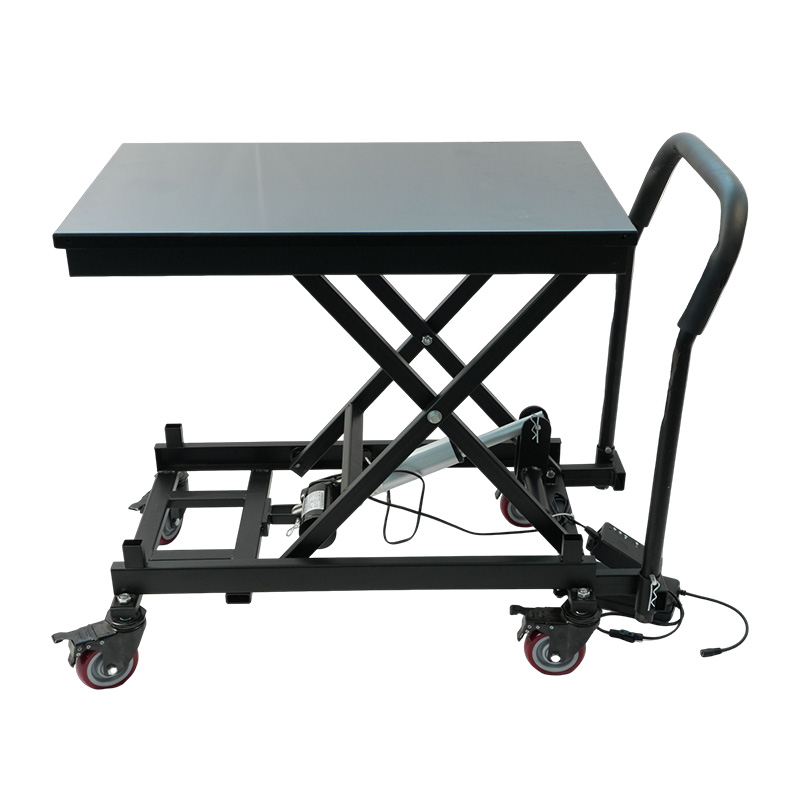
Lifting Platform
The lifting platform is the main surface used for supporting loads during operation.
The platform is manufactured from high-strength materials to provide excellent load-bearing capability and stable support.
Depending on application requirements, the platform may include anti-slip surfaces, positioning structures, protective edges, or customized mounting options.
The platform dimensions are designed according to different applications, including industrial handling, equipment positioning, laboratory use, and maintenance operations.
Scissor Lifting Mechanism
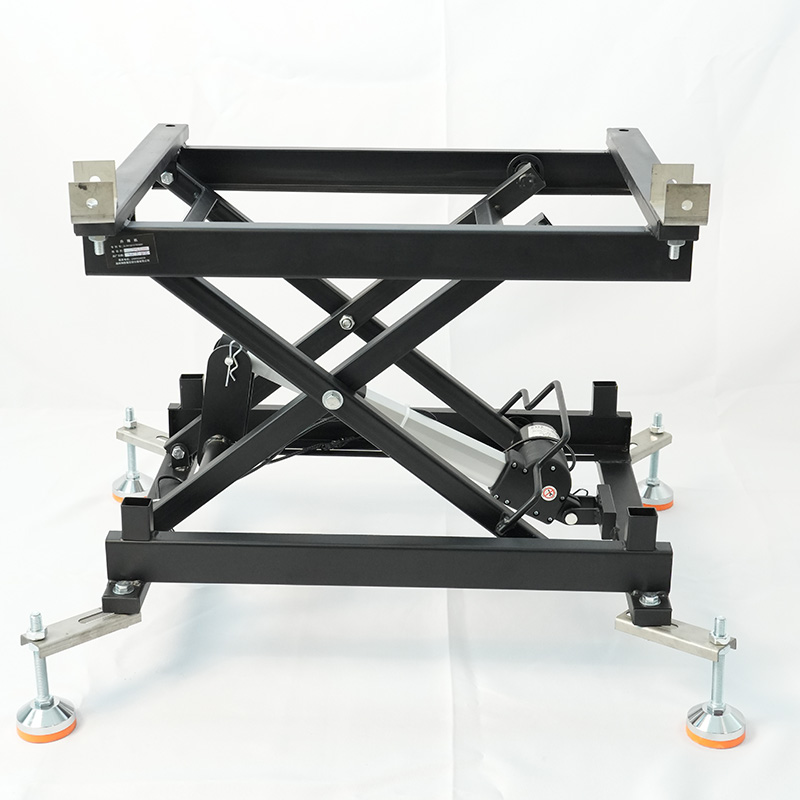
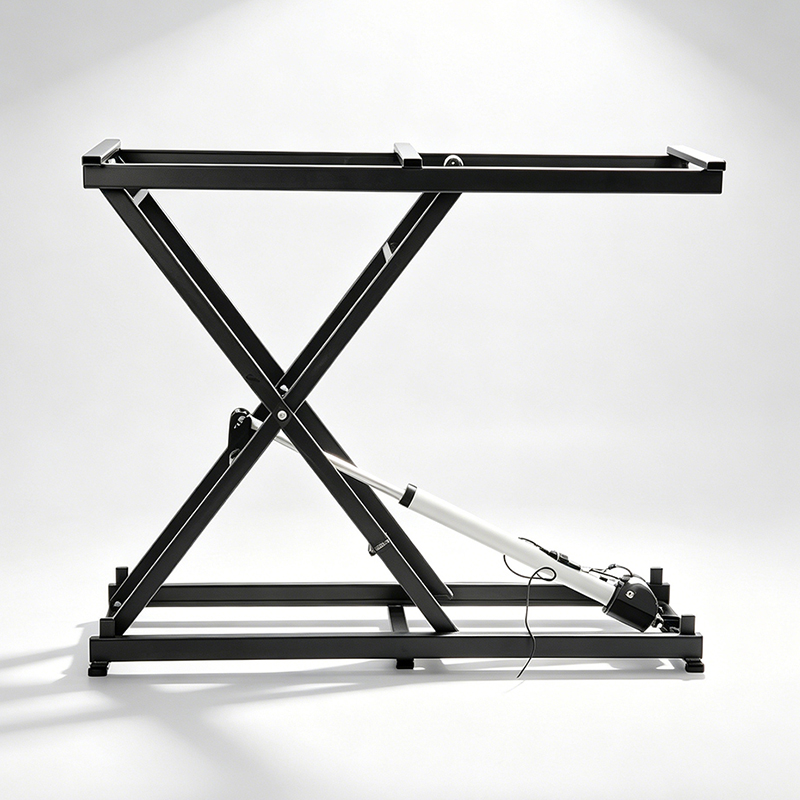
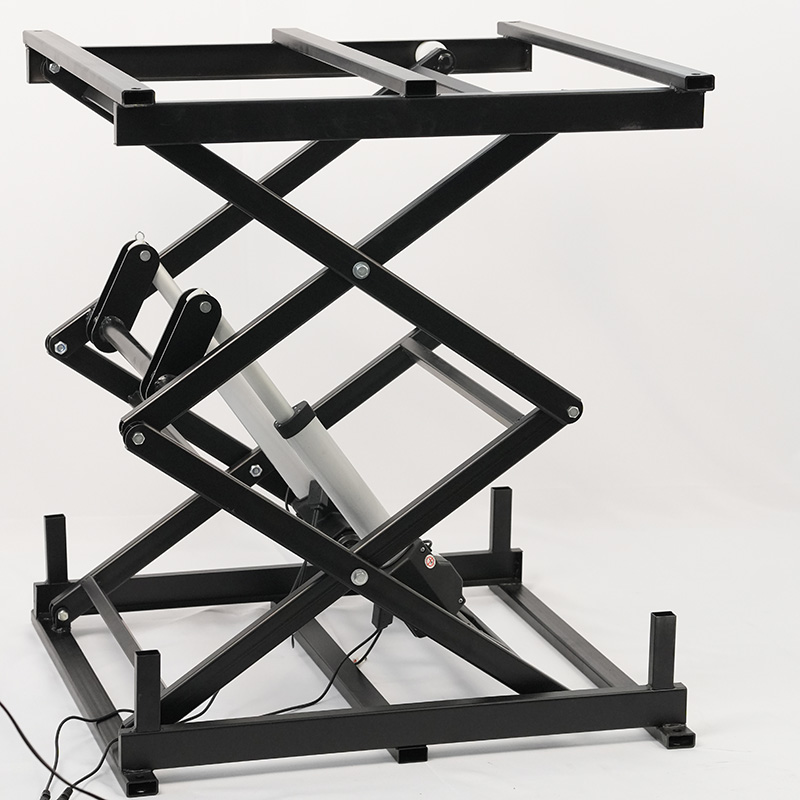
The scissor mechanism is the core component responsible for vertical movement.
The scissor structure improves stability by distributing lifting forces evenly through interconnected support arms.
When the manual drive system operates, the scissor arms extend or retract, causing the platform to move upward or downward smoothly.
This structure provides advantages such as compact design, strong load capacity, and reliable mechanical performance.
Manual Drive System
The manual drive system converts operator force into lifting motion.
Common drive components include lead screws, hand wheels, crank handles, gears, and mechanical linkages.
The lead screw system provides precise adjustment, strong self-locking capability, and stable load holding performance.
Compared with electric or hydraulic systems, manual mechanisms have simpler structures, lower maintenance requirements, and no dependence on external power sources.
Frame Structure
The frame supports the entire lifting system and determines overall strength.
Most manual lift tables use carbon steel or stainless steel structures because of their excellent mechanical properties.
The reinforced frame design improves stability, prevents deformation, and ensures safe operation under heavy loads.
Precision manufacturing of support arms, shafts, and connection points improves movement accuracy and reduces mechanical wear.
Safety Components
Safety features are essential for reliable manual lift table operation.
Common safety components include:
Mechanical locking devices
Overload protection structures
Anti-slip platform designs
Stable support bases
Safety stop mechanisms
These components help prevent unexpected movement and improve operator safety during lifting and positioning tasks.
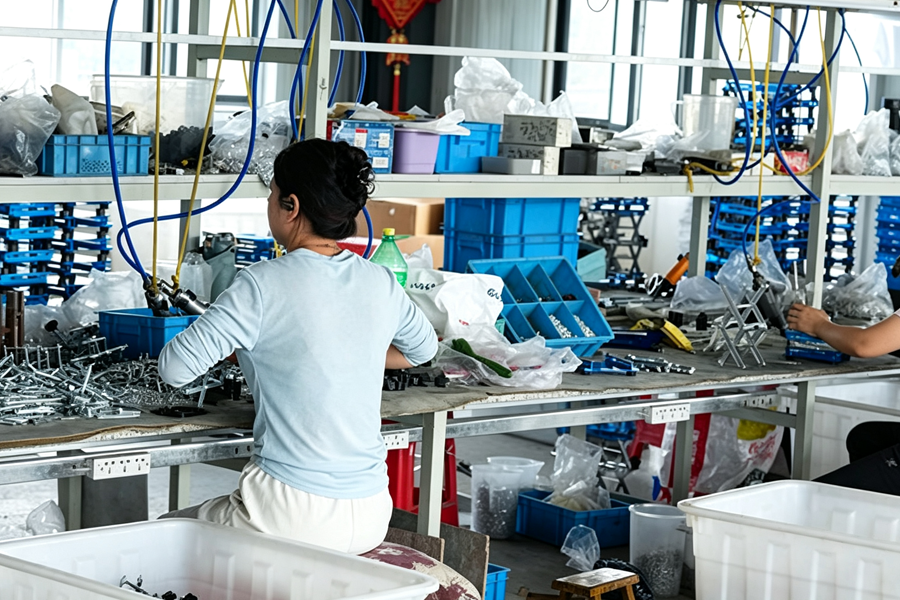
Manufacturing Process of Manual Lift Table
The manufacturing process directly affects the quality, precision, and service life of the final product.
Material Preparation and Cutting
Production begins with selecting suitable raw materials, including steel plates, profiles, shafts, and mechanical components.
Materials are cut according to engineering drawings using precision cutting equipment.
Accurate material preparation ensures proper dimensions and structural strength during assembly.
Machining and Component Processing
Key components such as lifting arms, brackets, shafts, and screw assemblies undergo machining processes.
These processes may include drilling, milling, turning, and grinding.
Precision machining ensures accurate fitting between components and improves lifting smoothness and reliability.
Welding and Frame Assembly
After machining, structural components are assembled through welding and mechanical fastening.
The welding quality directly affects the overall strength, stability, and safety of the manual lift table.
Professional welding techniques ensure proper alignment and strong connections between the frame components.
Surface Treatment
After fabrication, metal components undergo surface treatment to improve durability.
Common treatments include powder coating, painting, galvanizing, and corrosion-resistant finishing.
The surface treatment improves corrosion resistance, wear resistance, and product appearance, allowing the lift table to maintain reliable performance in different working environments.
Final Assembly and Quality Inspection
During final assembly, the lifting mechanism, drive system, platform, and safety components are integrated.
Each manual lift table is tested for:
Load capacity
Lifting smoothness
Structural stability
Mechanical operation
Safety performance
Strict quality inspection ensures consistent performance before shipment.
Application Considerations
When selecting a manual lift table, users should consider maximum load capacity, lifting range, platform dimensions, operating frequency, material requirements, and working environment.
Heavy-duty applications may require reinforced steel structures, while laboratory or precision applications may focus more on smooth adjustment and compact design.
Maintenance and Service Life
Proper maintenance improves equipment reliability and extends service life.
Regularly inspect lead screws, bearings, shafts, and connection points for wear.
Lubricate moving components periodically to maintain smooth operation.
Avoid overloading and operate the lift table according to recommended guidelines to ensure safe performance.
Conclusion
The Manual Lift Table combines precision mechanical components, durable structural design, and reliable manufacturing processes to provide efficient manual lifting solutions.
Through high-quality materials, accurate machining, and strict quality control, professional manual lift tables deliver excellent stability, durability, and long-term performance in industrial and laboratory applications.
References
ISO 9001 – Quality Management Systems and Manufacturing Quality Control
ISO 12100 – Safety of Machinery: Risk Assessment and Risk Reduction
ASME B30.1 – Jacks, Industrial Lifting Devices, and Related Equipment Safety Guidelines
ASTM A36/A36M – Standard Specification for Carbon Structural Steel
OSHA Machine Safety Guidelines – Safe Operation and Maintenance of Lifting Equipment
Related News
-
Key Components and Manufacturing Process of a Manual Lift Table
Key Components and Manufacturing Process of a Manual Lift Table The Manual Lift Table is a mechanical lifting device desi...
-
Manual Lift Table Working Principle and Structural Design Analysis
Manual Lift Table Working Principle and Structural Design Analysis The Manual Lift Table is a mechanical lifting device d...
-
Key Components and Manufacturing Process of a Motorcycle Lift Table
Key Components and Manufacturing Process of a Motorcycle Lift Table The Motorcycle Lift Table is a professional lifting d...
-
Motorcycle Lift Table Working Principle and Structural Design Analysis
Motorcycle Lift Table Working Principle and Structural Design Analysis The Motorcycle Lift Table is a specialized lifting...
-
Key Components and Manufacturing Process of an Electric Lift Stand
Key Components and Manufacturing Process of an Electric Lift Stand The Electric Lift Stand is a precision lifting device ...