






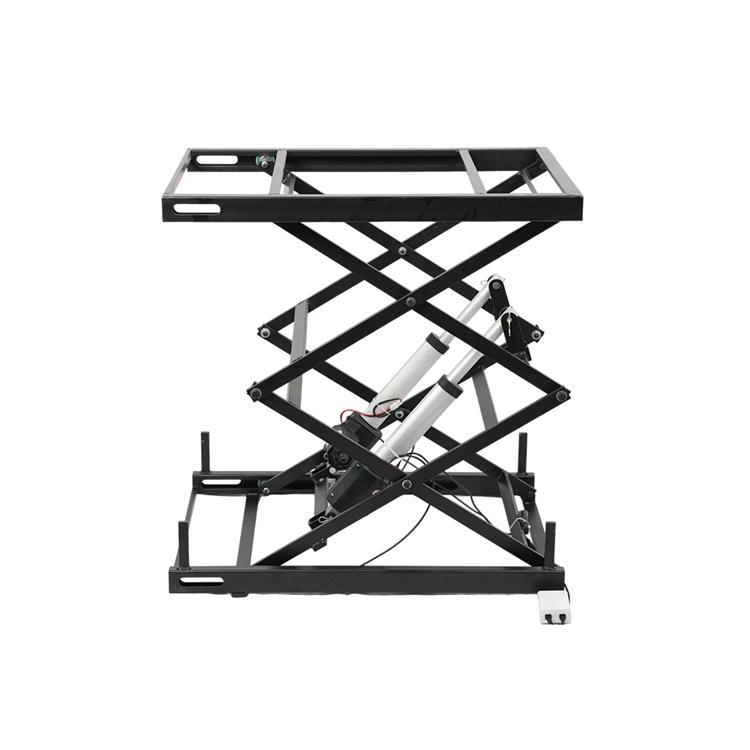
800x600mm Single Motor Single Scissors Lift Frame
Description: 800 × 600 mm Single Motor Single Scissor Lift Frame The 800 × 600 mm Single Motor Single Scissor Lift Frame is a medium-sized lifting structure designed for applications requiring stable vertical movement, reliable load support, and effic...
Whatsapp:+86 13463710111 +86 17633270825
Email:membershitzler@gmail.com
Product Description:
800 × 600 mm Single Motor Single Scissor Lift Frame
The 800 × 600 mm Single Motor Single Scissor Lift Frame is a medium-sized lifting structure designed for applications requiring stable vertical movement, reliable load support, and efficient space utilization. It is commonly used in electric work platforms, industrial lifting equipment, maintenance systems, inspection platforms, and customized automation machinery.
With a single scissor mechanism and a single motor drive system, this lift frame provides a simple, practical, and cost-effective lifting solution while maintaining good structural strength and operational stability.
Structural Design
The main structure of the lift frame includes scissor arms, pivot shafts, mounting brackets, drive components, and a platform support interface.
The single scissor mechanism operates through the coordinated movement of two crossed lifting arms. When the drive system extends or retracts, the scissor arms open or close to achieve controlled vertical lifting.
The 800 × 600 mm specification generally refers to the frame size or installation footprint. The actual performance parameters, including rated load capacity, lifting height, stroke length, and lifting speed, depend on the specific engineering design and application requirements.
The structural design should provide sufficient rigidity to minimize deformation during operation and maintain platform stability under different loading conditions.
Single Motor Drive System
The single motor provides the power required for lifting through an electric or electromechanical transmission system.
Depending on the application, the motor may operate a screw drive mechanism, hydraulic unit, or other lifting transmission solution.
The drive system should be selected according to working load, lifting frequency, operating speed, and duty cycle requirements. Proper motor selection ensures smooth operation and prevents excessive heat generation during continuous use.
The control system should provide stable acceleration and braking performance to reduce mechanical impact and improve the service life of the lifting components.
Scissor Arm and Stability Design
The scissor arms are the primary load-bearing components of the lifting structure. They must have sufficient strength and rigidity to support the working platform and applied loads.
Accurate pivot positioning and alignment are essential for achieving smooth movement and reducing mechanical stress.
Pivot joints are usually equipped with bushings, bearings, or wear-resistant components to improve durability and reduce friction. Proper clearance control helps prevent vibration, noise, and uneven movement during operation.
Manufacturing Process
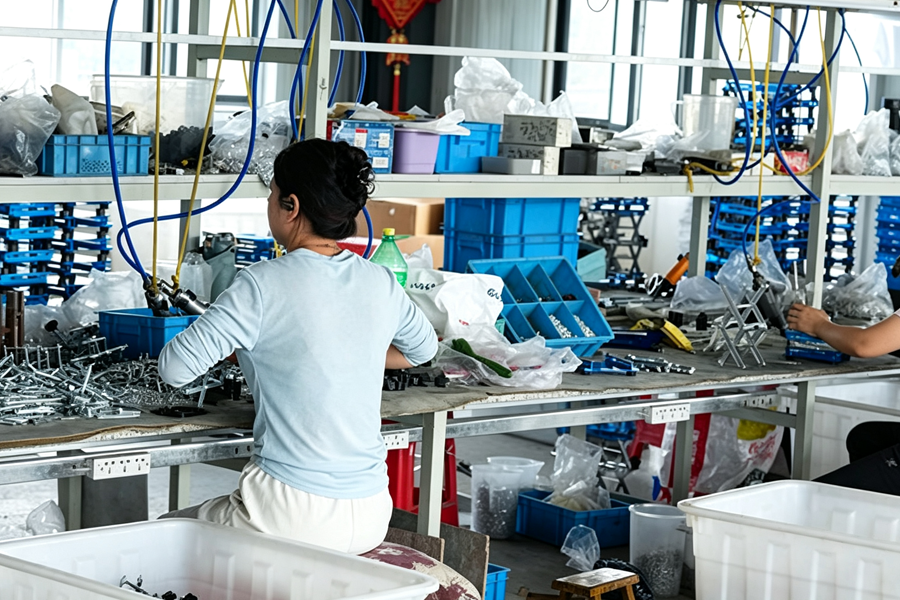
The production process typically includes material preparation, steel cutting, drilling, welding, machining, surface treatment, assembly, and testing.
High-strength steel materials are commonly selected to ensure structural reliability. During fabrication, welding quality and dimensional accuracy directly affect the lifting performance and service life of the frame.
After assembly, manufacturers perform inspections on structural alignment, motor operation, lifting movement, fastening conditions, and overall stability.
Quality Control Standards
Strict quality control procedures are required to ensure safe and reliable performance.
Material inspection verifies that raw materials meet mechanical strength requirements.
Dimensional inspection ensures all components meet design specifications.
Welding inspection checks structural integrity and connection strength.
Functional testing evaluates lifting and lowering performance.
Load testing confirms the frame can safely operate under rated conditions.
Surface treatment inspection ensures corrosion resistance and long-term durability.
Application and Selection Considerations
Before selecting an 800 × 600 mm single motor single scissor lift frame, customers should evaluate required lifting height, rated load, platform size, installation space, operating environment, and working frequency.
For customized applications, the complete lifting system should be designed according to actual operating conditions rather than selecting equipment only based on frame dimensions.
Conclusion
The 800 × 600 mm Single Motor Single Scissor Lift Frame provides a reliable solution for medium-duty vertical lifting applications. A strong structural design, properly matched motor system, precise manufacturing process, and strict quality control are essential for achieving safe, stable, and efficient operation.
For industrial and OEM projects, professional engineering support can help optimize the lifting structure according to specific load requirements and working environments.
References
ISO 12100 – Safety of Machinery: Risk Assessment and Risk Reduction
ISO 13849-1 – Safety-Related Parts of Control Systems
ANSI/SAIA A92 Series – Mobile Elevating Work Platform Safety Standards
ISO 9001 – Quality Management Systems and Manufacturing Quality Control
-

Key Components and Manufacturing Process of a Manual Lift Table
2026-08
-
Manual Lift Table Working Principle and Structural Design Analysis
2026-08
-
Key Components and Manufacturing Process of a Motorcycle Lift Table
2026-08
-
Motorcycle Lift Table Working Principle and Structural Design Analysis
2026-08